
 Español
 عربى
عربى

A Comprehensive Sourcing Guide for Mercedes-Benz and BMW Suspension Bushings and Strut Mounts
Content
- 1 How Suspension Bushings and Strut Mounts Affect Vehicle Ride and Handling
- 2 Material Composition and Rubber-to-Metal Bonding Standards
- 3 Common Failure Modes and How to Diagnose Them Early
- 4 Sourcing Criteria Wholesale Buyers Should Prioritize
- 5 Quality Control Workflow From Raw Material to Dispatch
- 6 Application Fitment Considerations Across Model Platforms
- 7 Packaging, Traceability, and Logistics for Bulk Orders
- 8 Frequently Asked Questions
- 8.0.1 Q1: How often should suspension bushings and strut mounts be inspected?
- 8.0.2 Q2: Can a strut mount be replaced without replacing the bushing at the same time?
- 8.0.3 Q3: What documentation should a wholesale buyer request from a new supplier?
- 8.0.4 Q4: Does a higher Shore hardness always mean a better bushing?
- 8.0.5 Q5: Why do bushings for different platform segments require different specifications?
How Suspension Bushings and Strut Mounts Affect Vehicle Ride and Handling
Every chassis relies on a small set of rubber-to-metal components to keep control arms, subframes, and struts working together without transmitting harshness into the cabin. When these parts wear out, the symptoms rarely look like a suspension problem at first. Buyers and technicians often report clunking over bumps, vague steering response, or a faint rattle at low speed, long before anyone traces the cause back to a bushing or mount that has lost its original stiffness.
For distributors and workshops sourcing replacement parts, understanding what these components actually do makes it much easier to evaluate whether a supplier's product will hold up in real-world service rather than fail within the first winter.
The Function of Bushings in the Suspension System
A suspension bushing sits between two metal surfaces, usually a control arm eye and a subframe or chassis mount, and absorbs the small rotational and axial movements that occur as the wheel travels up and down. The rubber compound controls how much deflection is allowed before the metal-to-metal contact would otherwise transmit noise and vibration directly into the body structure.
- Bushings manage radial load from cornering forces and vertical load from road input
- They allow controlled pivoting without introducing looseness in the geometry
- Compound stiffness is tuned differently for comfort-oriented and performance-oriented applications
The Role of Strut Mounts in Isolating Noise and Vibration
A strut mount performs a related but distinct job. It connects the top of the strut assembly to the body structure while allowing the strut to rotate slightly during steering input. A worn strut mount typically introduces a knocking sound over uneven surfaces and can also affect steering return, since the bearing element inside many mounts has degraded along with the surrounding rubber.
Comparative performance profile: standard-grade compound versus reinforced-grade compound across five evaluation axes (illustrative scoring, 0 to 100)
Material Composition and Rubber-to-Metal Bonding Standards
The performance difference between a bushing that lasts through a full service interval and one that cracks within eighteen months usually comes down to two things: the elastomer compound and the quality of the bond between rubber and metal insert. Neither of these is visible from a quick look at a finished part, which is exactly why sourcing teams need a way to evaluate them before committing to a purchase order.
Common Elastomer Compounds Used in Bushings
Natural rubber, synthetic rubber blends, and polyurethane are the three material families most commonly used across chassis bushings and mount insulators. Natural rubber offers strong fatigue resistance and a comfortable ride characteristic, synthetic blends improve resistance to oil and heat exposure, and polyurethane trades some of the ride comfort for significantly higher load capacity and slower wear.
| Compound Family | Typical Durometer (Shore A) | Primary Strength | Primary Trade-off |
|---|---|---|---|
| Natural rubber | 45 to 65 | Ride comfort and fatigue life | Lower oil and heat resistance |
| Synthetic blend | 55 to 75 | Oil and thermal resistance | Slightly firmer ride feel |
| Polyurethane | 80 to 95 | Load capacity and wear resistance | Higher NVH transfer |
Bonding and Vulcanization Quality Indicators
The bond between the rubber body and the inner or outer metal sleeve is created during vulcanization, and a poor bond is one of the leading causes of premature bushing failure. A properly bonded part should show no separation, air pockets, or surface cracking at the rubber-metal interface after a pull test, and reputable manufacturing lines validate this on a sampled basis for every production batch rather than only at initial qualification.
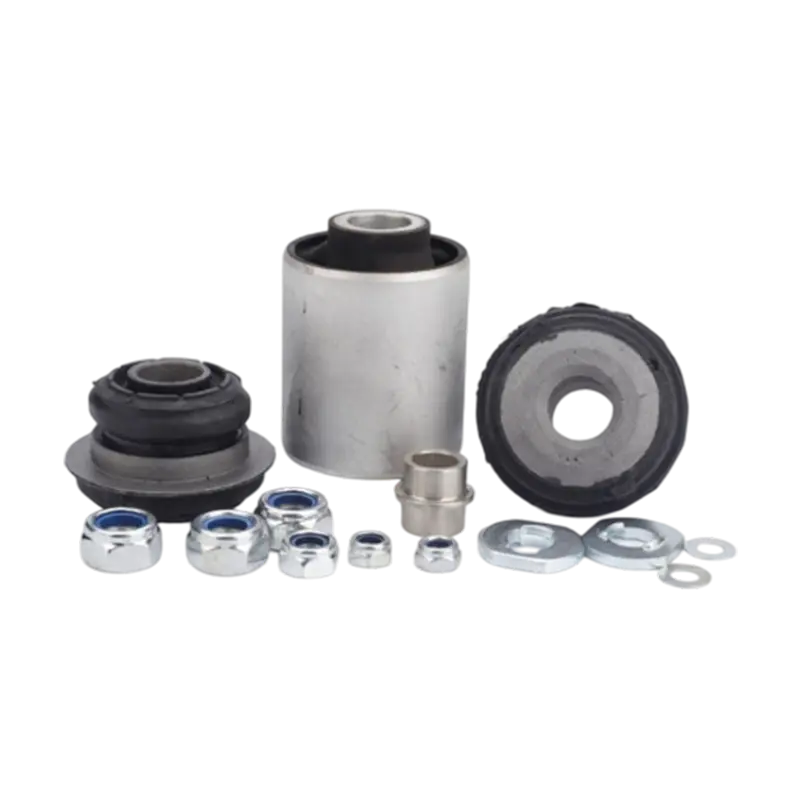
A finished suspension bushing showing the bonded rubber body and metal sleeve construction
Typical Shore A hardness range by bushing application (illustrative reference values)
Common Failure Modes and How to Diagnose Them Early
Recognizing failure patterns helps both distributors and end users understand what a replacement part actually needs to withstand. Most bushing and mount failures fall into a handful of recognizable categories, and each one leaves a distinct symptom that can be checked without disassembling the suspension.
| Symptom | Likely Component | Likely Cause |
|---|---|---|
| Clunk over bumps at low speed | Control arm bushing | Rubber separation or excess clearance |
| Knocking during steering input | Strut mount bearing | Bearing wear or dried lubrication |
| Vague or wandering steering feel | Multiple bushings | Accumulated compliance loss |
| Uneven tire wear on one side | Alignment-related bushing | Sagging or collapsed bushing geometry |
| Cracking visible at rubber edge | Any exposed bushing | Ozone or UV degradation |
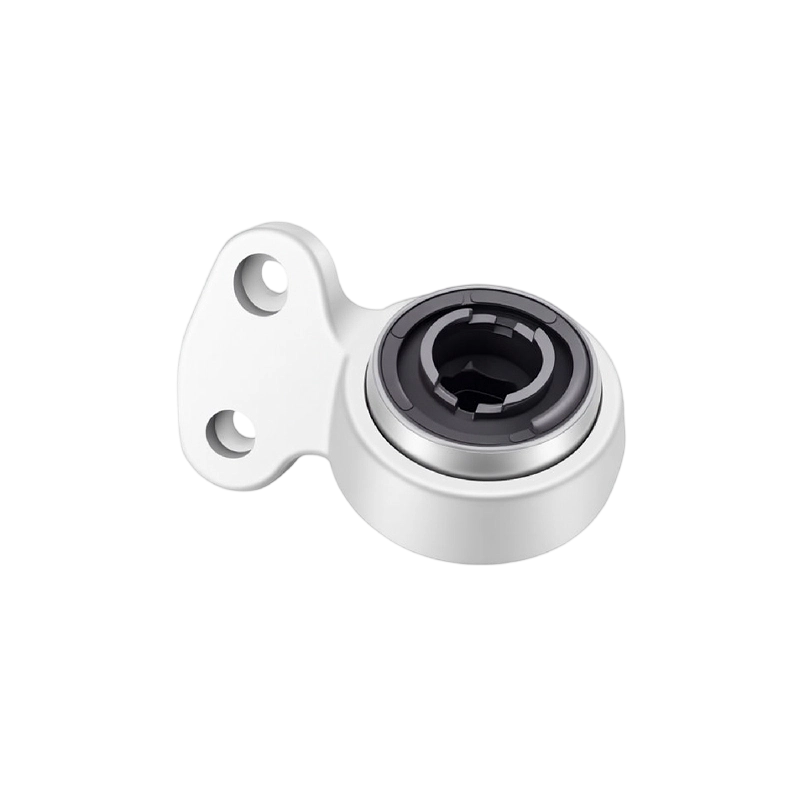
A completed suspension bushing assembly ready for dimensional inspection
Illustrative relationship between mileage and remaining bushing compliance (percentage of original stiffness retained)
Sourcing Criteria Wholesale Buyers Should Prioritize
Chassis parts buyers rarely have the ability to run a full durability test on every batch they receive, so sourcing decisions come down to a smaller set of verifiable indicators. A supplier producing a genuine Mercedes-Benz Strut Mount replacement, for example, should be able to walk through material certificates, dimensional inspection reports, and load test data without hesitation.
- Material traceability back to a specific rubber compound batch
- Documented load and fatigue test results for the specific application
- Dimensional tolerance reports referencing the original mounting geometry
- Corrosion protection specification for all metal components
- Consistent packaging and labeling that supports batch traceability
The same evaluation applies whether the part in question is a BMW Strut Mount or a bushing assembly designed for a different platform. Buyers who standardize their evaluation checklist across suppliers tend to catch quality gaps earlier, before a batch reaches a workshop counter.
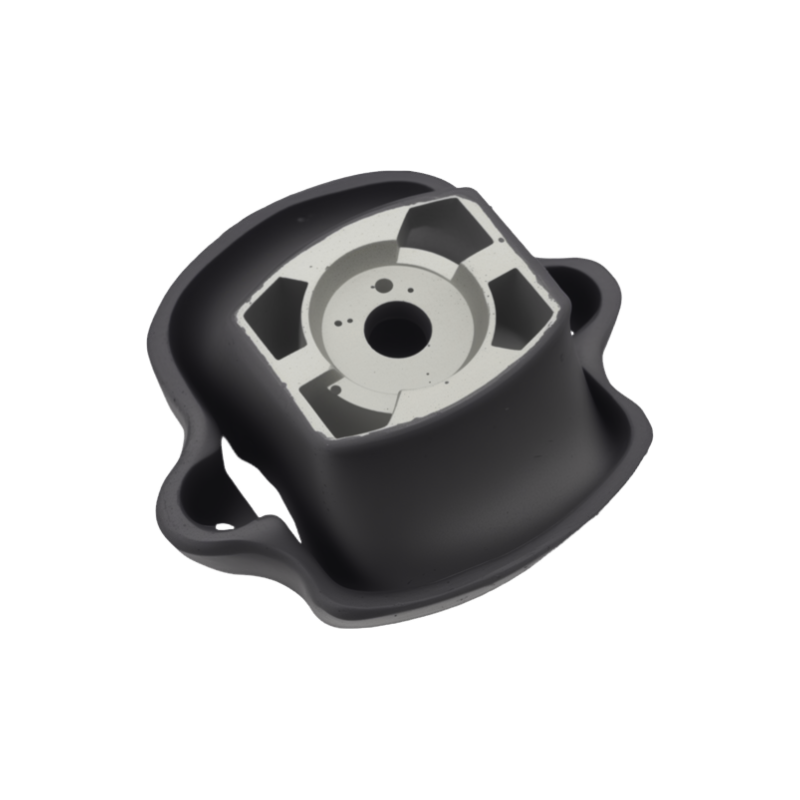
Strut mount assembly with integrated bearing and rubber isolator
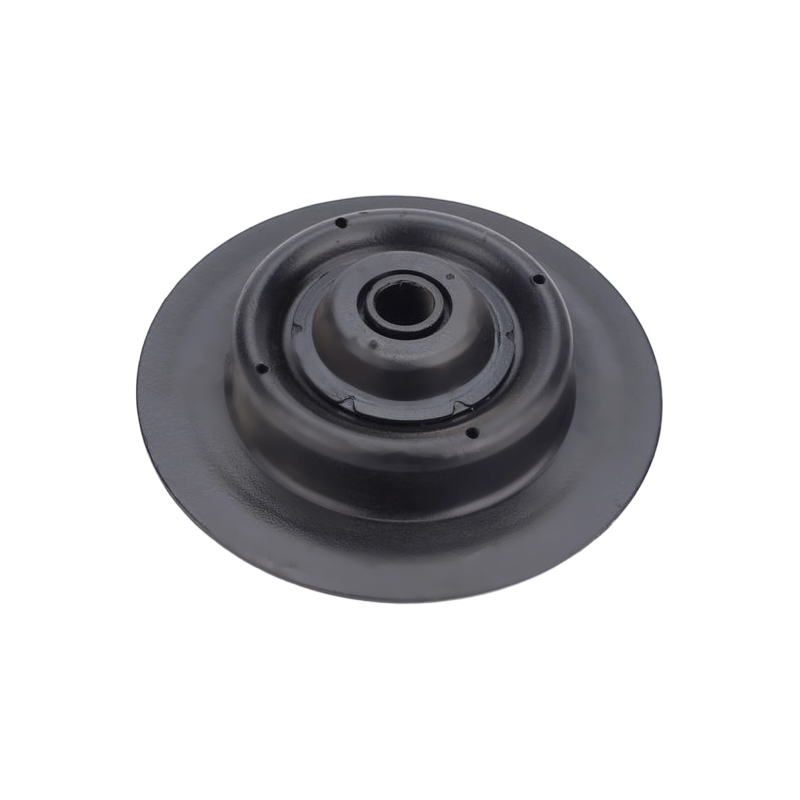
Upper strut mount configured for a strut-type front suspension
Buyers evaluating a Mercedes-Benz Suspension Bushing program should apply the identical checklist, since the underlying compound and bonding requirements do not change based on which platform the part is designed for. A wholesale sourcing relationship for suspension bushing and strut mount coverage, whether for a European or Asian platform, holds up best when it is built on repeatable, documented quality checks rather than a one-time sample approval.
Relative weighting of sourcing evaluation criteria used by experienced wholesale buyers (illustrative, percent of total evaluation weight)
Quality Control Workflow From Raw Material to Dispatch
A dependable production line for rubber-to-metal chassis components follows a fixed sequence of checkpoints, with each stage generating a record that can be traced back if a downstream issue is reported. The diagram below outlines the stages a well-run facility typically follows.
Typical quality control workflow for suspension bushing and strut mount production
Application Fitment Considerations Across Model Platforms
Chassis geometry differs enough between platforms that a bushing or mount designed for one vehicle segment will rarely interchange cleanly with another, even when the outward dimensions look similar. This is one of the more common sourcing mistakes: a part that fits a compact executive platform is not automatically compatible with a mid-size executive platform, even from the same manufacturer's broader lineup.
| Platform Segment | Typical Bushing Priority | Typical Mount Priority |
|---|---|---|
| Compact executive sedan | Ride comfort and NVH control | Low-noise bearing isolation |
| Mid-size executive sedan | Balanced comfort and load handling | Bearing durability under higher load |
| Performance-oriented trim | Stiffer compound for handling response | Reduced compliance for steering precision |
| SUV or crossover platform | Higher load capacity | Reinforced mounting structure |
A supplier catalog covering a BMW Suspension Bushing range alongside comparable Mercedes-Benz applications should clearly separate part numbers by platform generation rather than grouping them under a single generic listing, since even a small difference in bushing outer diameter or mounting bolt pattern will prevent correct installation.
Packaging, Traceability, and Logistics for Bulk Orders
Once a part has passed inspection, how it is packaged and labeled has a direct effect on how well a distributor can manage inventory and respond to any quality claims. Bulk orders benefit from consistent labeling conventions that carry through from the factory floor to the warehouse shelf.
- Individual poly bagging to protect rubber surfaces from abrasion during transit
- Outer carton labeling with batch number, production date, and part number
- Barcode or QR labeling that links back to the material and inspection records
- Palletized shipping configurations sized for standard container loading
- Moisture-resistant packaging for components shipped through humid climates
Distributors that request batch-level traceability as a standard condition of purchase are in a much stronger position if a warranty question arises later, since the supplier can pull the specific inspection record tied to that batch rather than relying on general assurances about production quality.
Frequently Asked Questions
Q1: How often should suspension bushings and strut mounts be inspected?
A visual inspection during routine service intervals is generally sufficient, though vehicles operating in harsh climates or on rough roads benefit from more frequent checks, since compliance loss accelerates once a bushing has passed a certain mileage threshold.
Q2: Can a strut mount be replaced without replacing the bushing at the same time?
Yes, these are separate components and can be replaced independently, although many workshops choose to inspect both at the same time since they are exposed to similar mileage and environmental wear.
Q3: What documentation should a wholesale buyer request from a new supplier?
Material certificates, dimensional inspection reports, and load or fatigue test data for the specific part number are the minimum documents that support an informed sourcing decision.
Q4: Does a higher Shore hardness always mean a better bushing?
Not necessarily. Higher hardness generally improves load capacity and wear resistance but can increase noise and vibration transfer, so the right hardness depends on the intended application rather than a single universal standard.
Q5: Why do bushings for different platform segments require different specifications?
Vehicle weight distribution, suspension geometry, and intended ride characteristics vary by platform segment, so a bushing tuned for one application will rarely deliver the same performance if installed in a vehicle it was not designed for.
Recommended Products
-
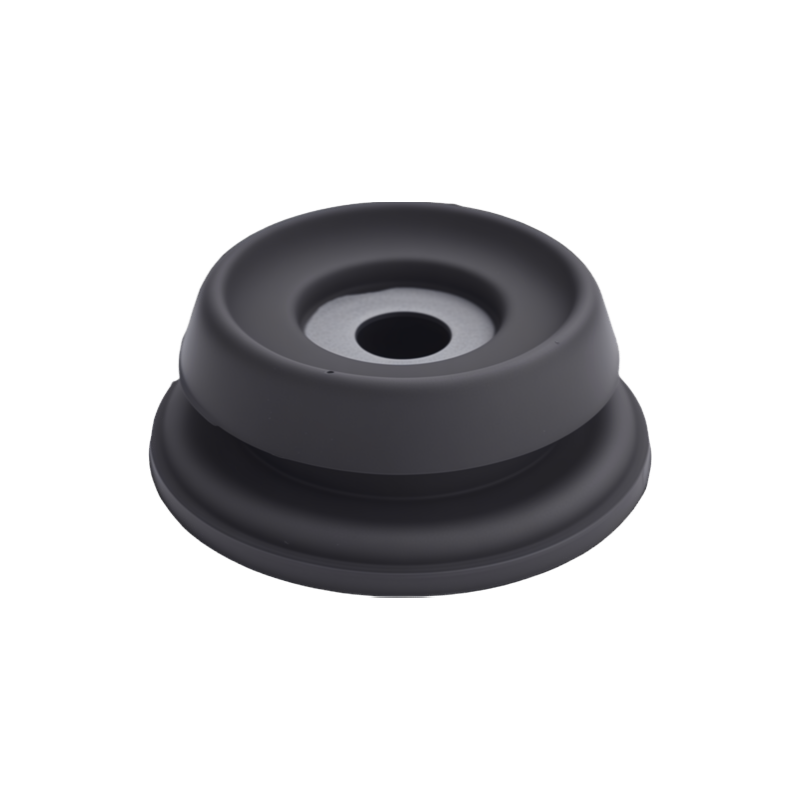


Suspension Strut Support Bearing for Mercedes-Benz 903 Series
-
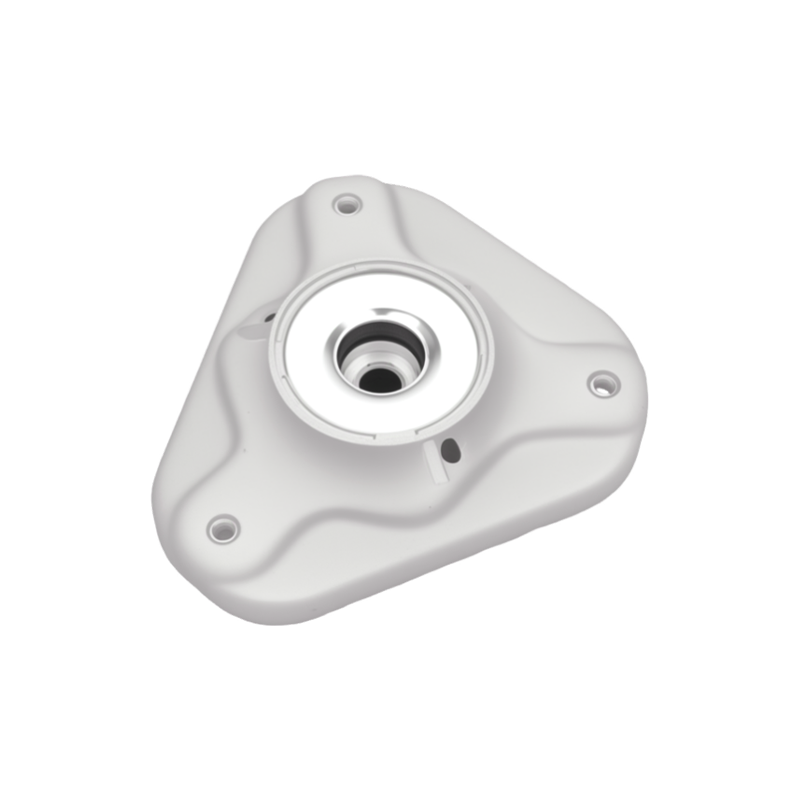
Mercedes-Benz Imported E-Class Suspension Strut Mount
-
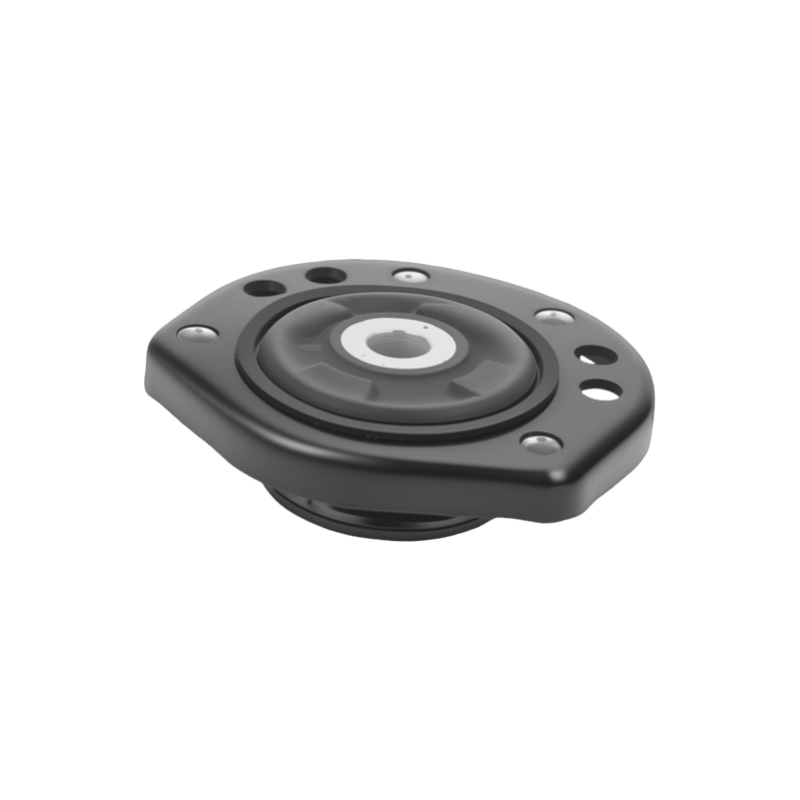
Front Suspension Strut Mount for Mercedes-Benz Sprinter
-
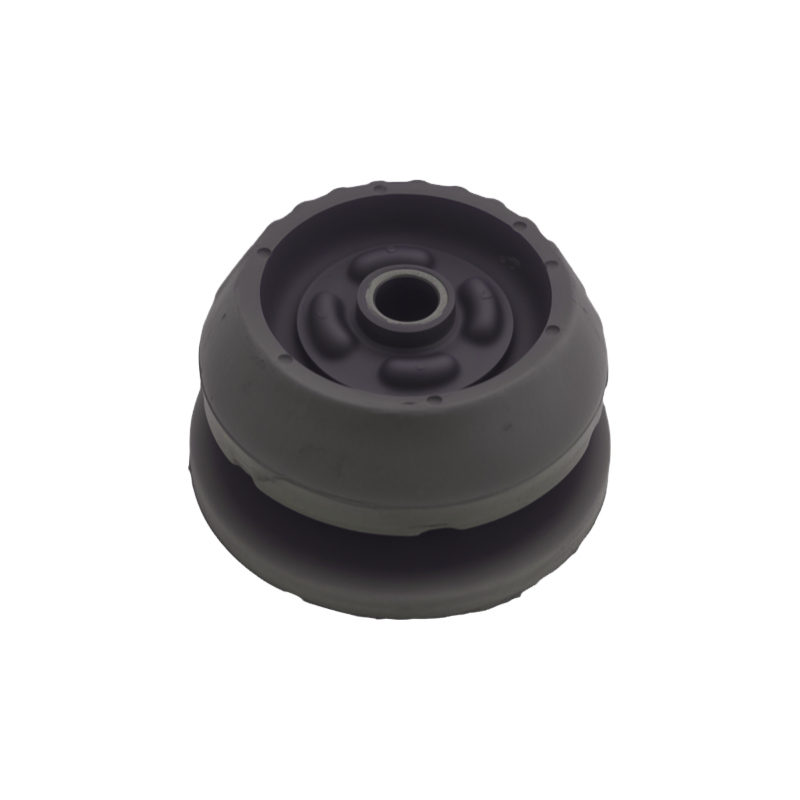
Mercedes-Benz W639 Vito Chassis Suspension Strut Mount
-
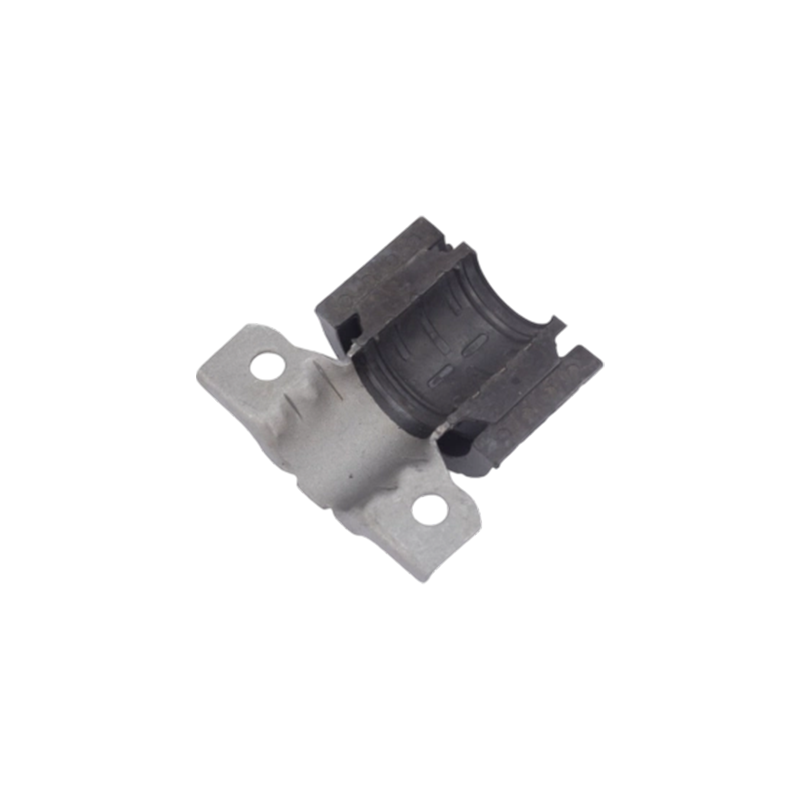
Anti-Roll Bar Bushing Suspension Part for Mercedes R-Class
-
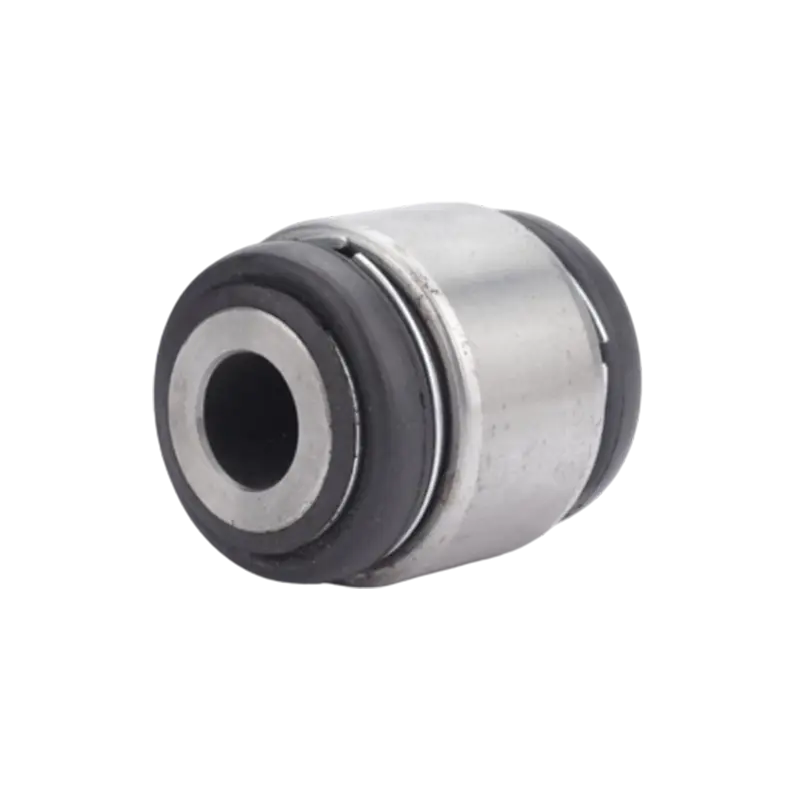
Mercedes W201/W202/W203 Control Arm Bushing Rear Suspension
Recommended News
-
Upgrading Your BMW & Mercedes-Benz Suspension: Why Strut Mounts and Bushings Matter for Handling
-
The Role of Strut Mounts in Mercedes-Benz and BMW: Common Failure Signs and Solutions
-
Symptoms of Worn Mercedes-Benz & BMW Suspension Bushings: When Is It Time for a Replacement?
-
What are the benefits of BMW chassis system?
- Address : Yihuang line, Ningguo Economic and Technological Development Zone. Xuancheng City,Anhui Province.
- Fax : +86 13906874997
- Tel: +86-15856310524
- Email: [email protected]
Copyright © ANHUI LIANJUN RUBBER TECHNOLOGY CO., LTD.
All Rights Reserved.
Wholesale Automotive Suspension Parts Suppliers
