

0
Established in 2009

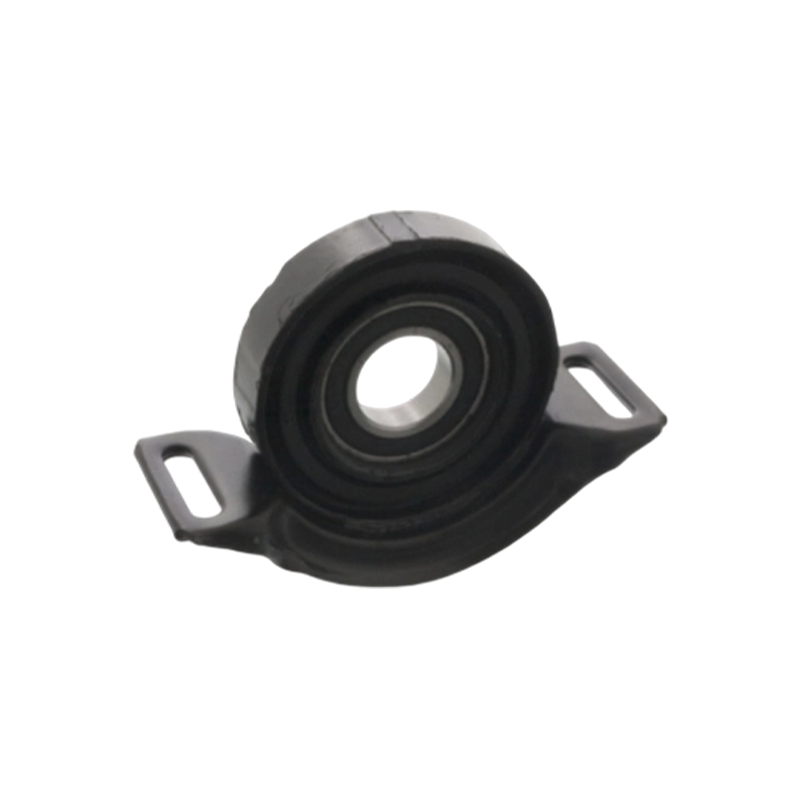
OE Numbers:
1234101081 | A1234101081
1234101081S1 | A1234101081S1
1074102281
1164102781 | 1164102981
1164103081 | 1164103381
Compatible Vehicle Series:
Mercedes-Benz
116 1972-1980
123 1976-1987
SL(107)1971-1989
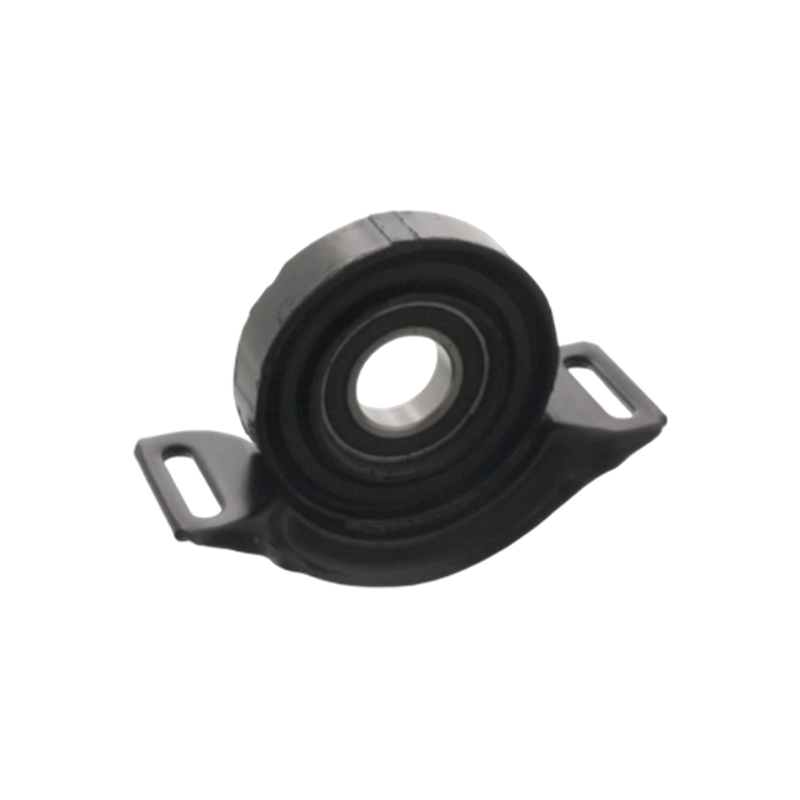
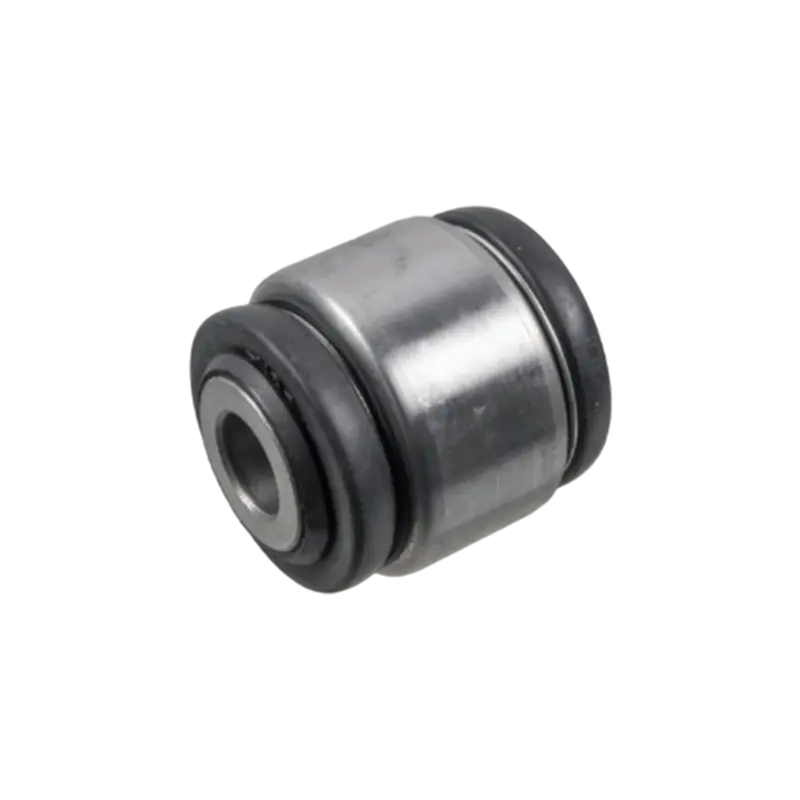
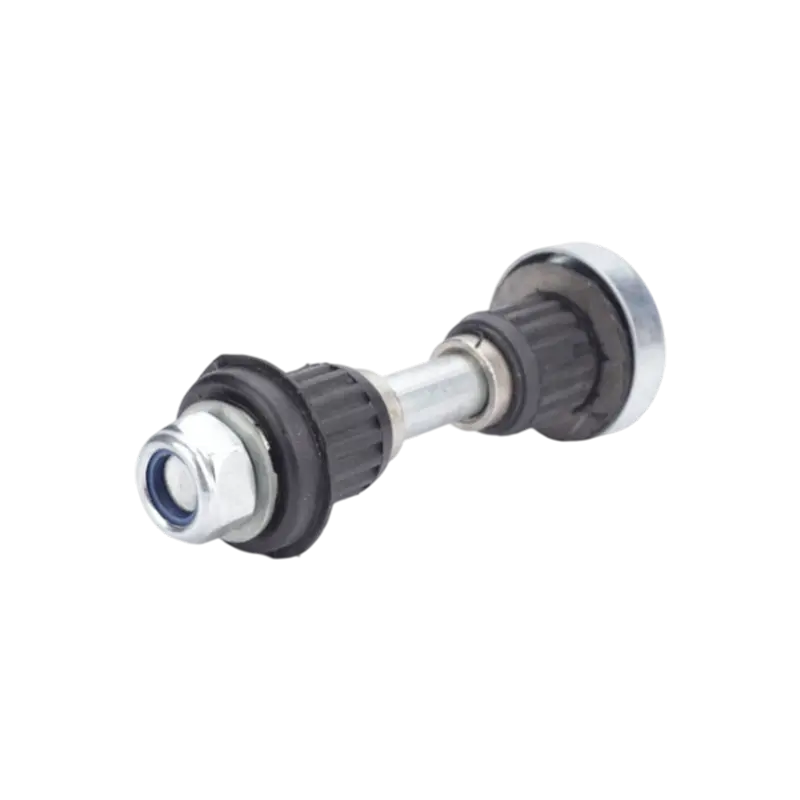
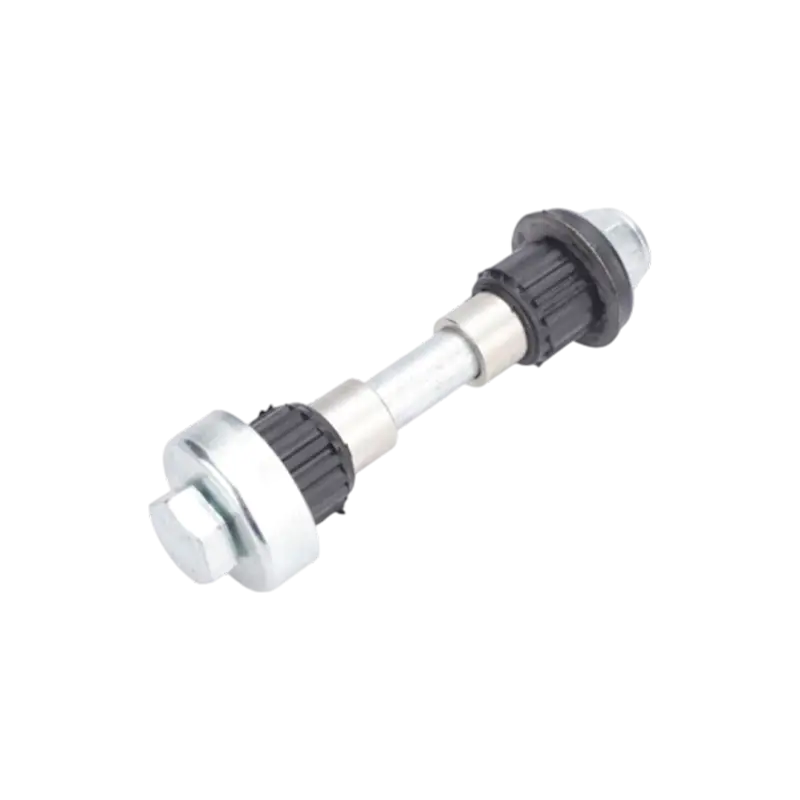
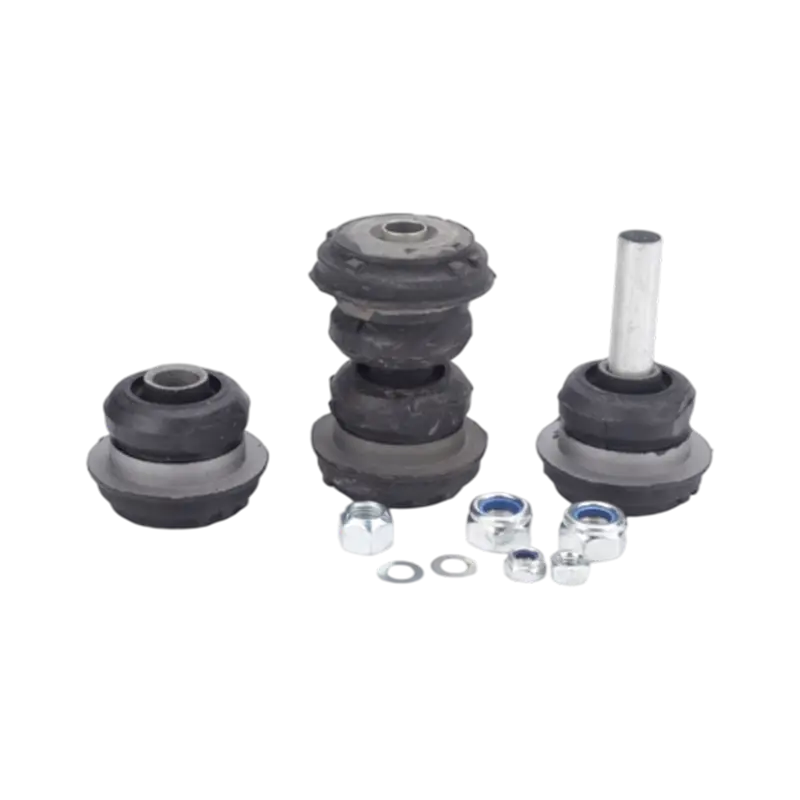
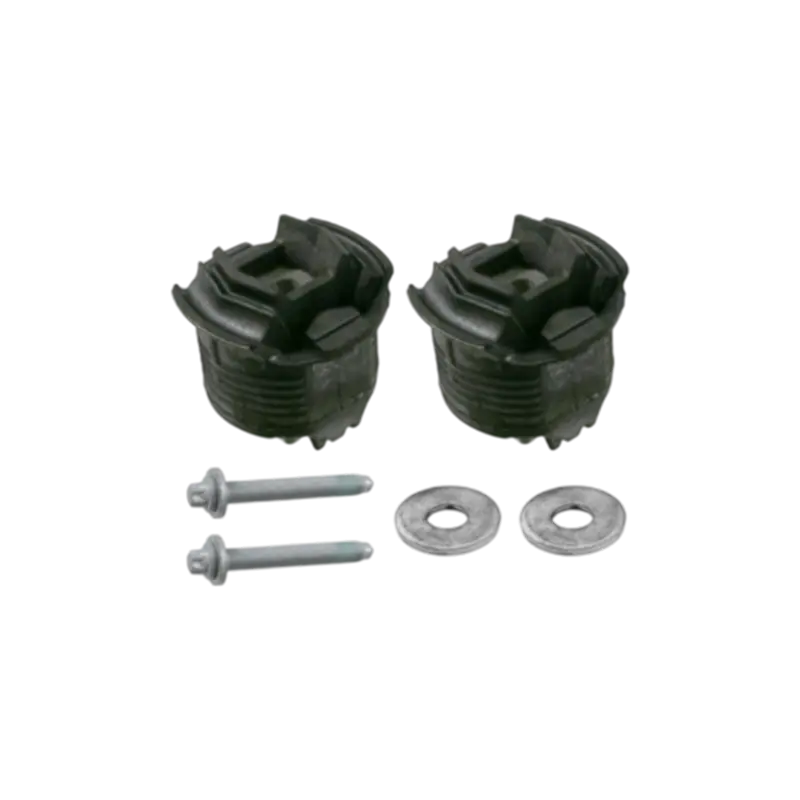
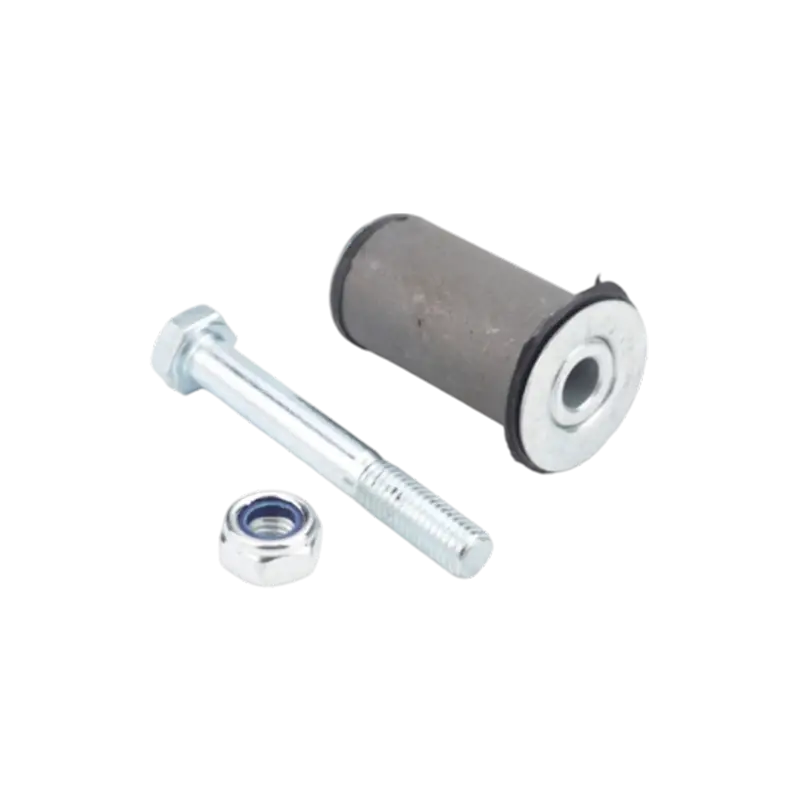
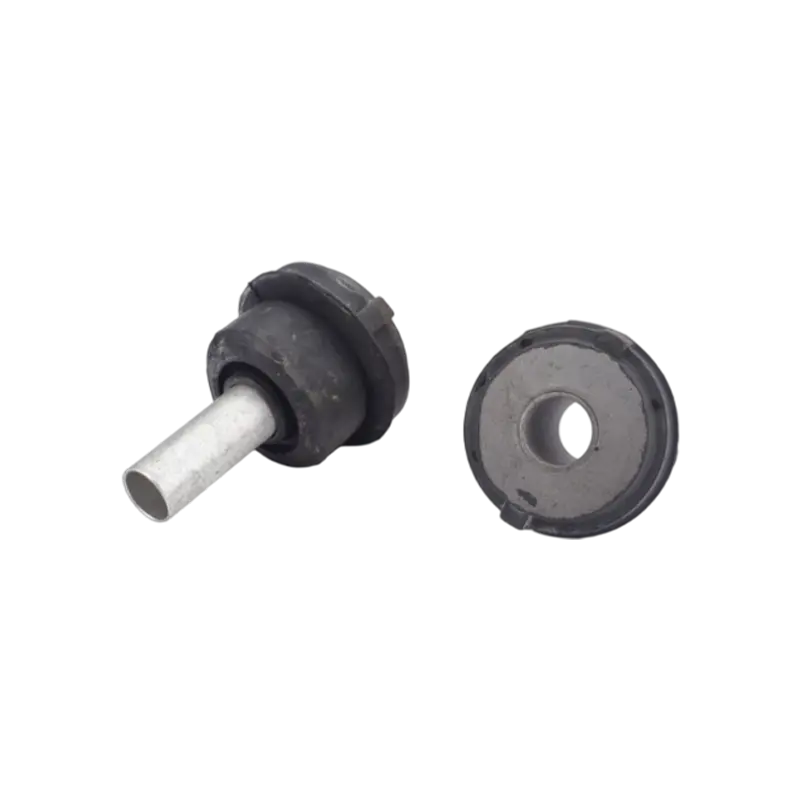
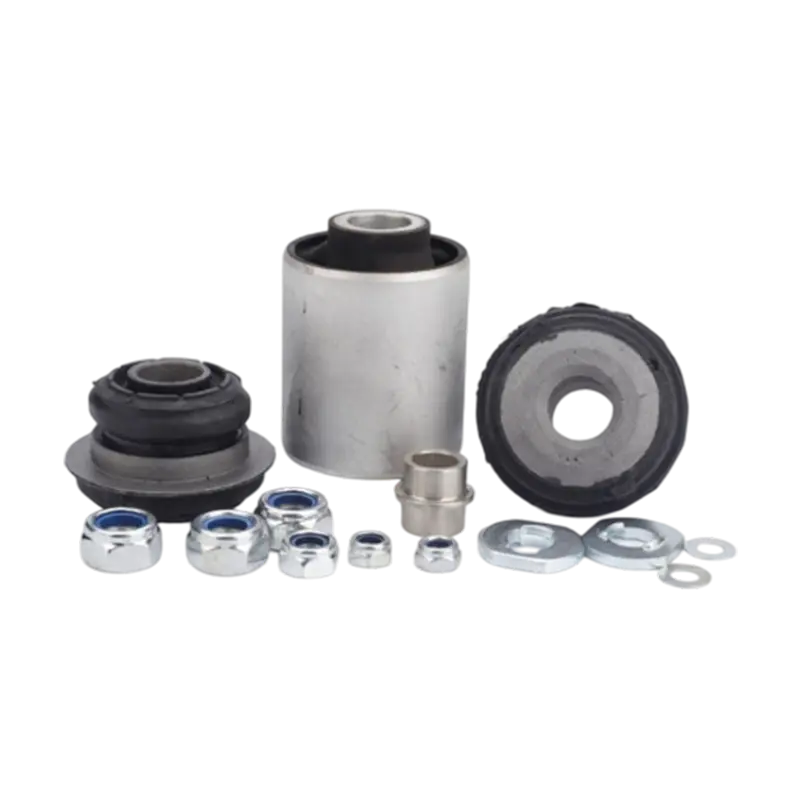
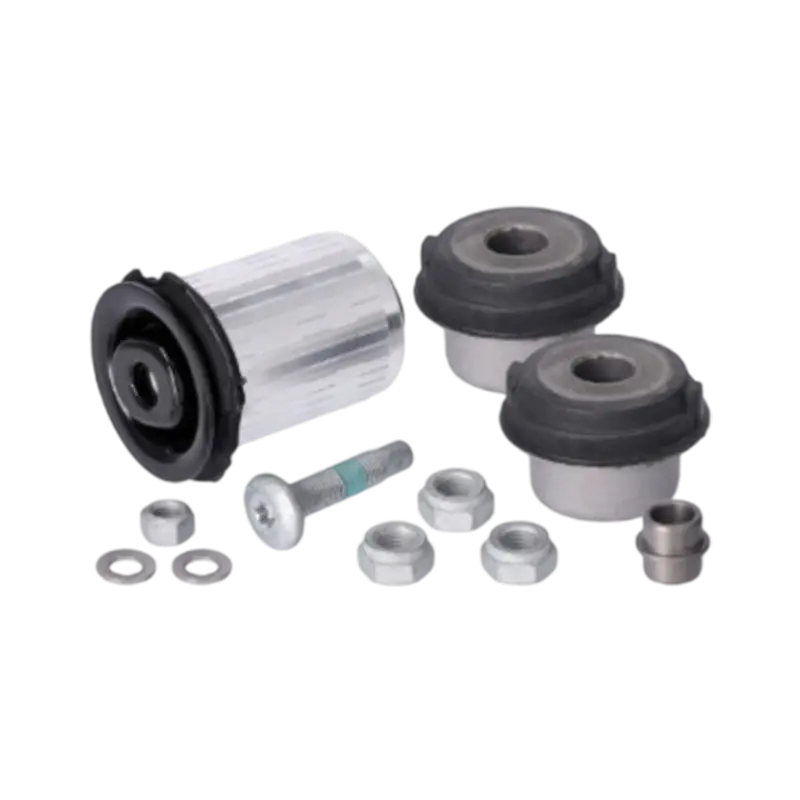
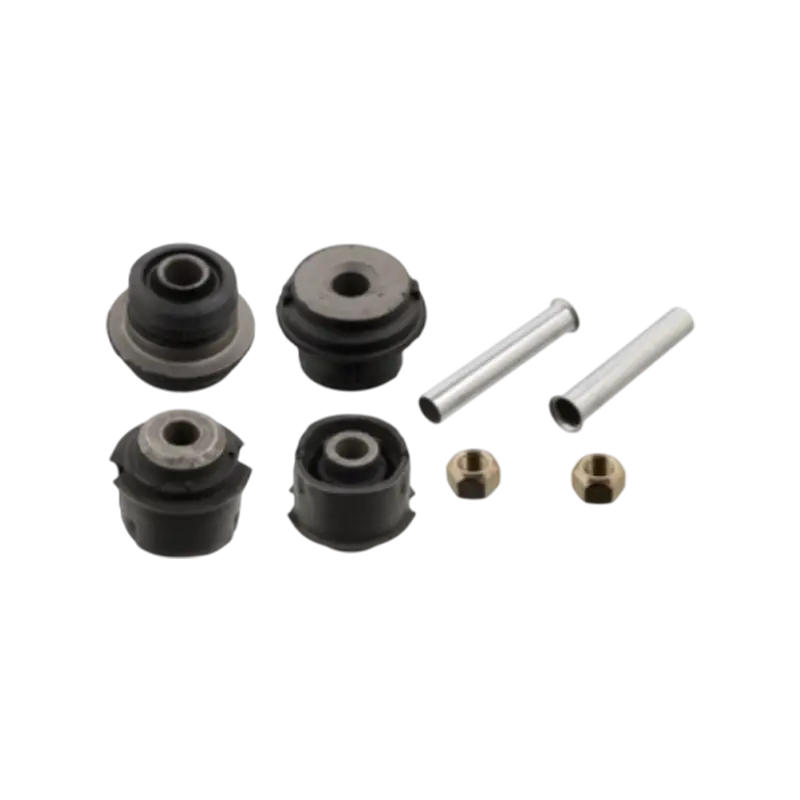
This rubber-metal driveshaft bridge bearing is suitable for the drivetrain support needs of classic car models. The product features an integrated rubber and alloy structure design, ensuring strength while also providing cushioning and shock absorption, effectively stabilizing the driveshaft's operation. Compatible models include classic platforms such as the 116 (1972-1980), 123 (1976-1987), and SL(107) (1971-1989), meeting the repair and replacement needs of older Mercedes-Benz models and improving overall vehicle stability and comfort.
Key Dimensions: 110*95*30
Inner Diameter [mm]: 30
Rubber and alloy composite structure design enhances support strength
Bridge-type structure stabilizes the mid-section connection of the driveshaft
Specifically designed to match the classic Mercedes-Benz chassis structure
Stable Support Performance: Through a reasonable structural layout, it provides reliable mid-section support for the driveshaft, reducing operational sway.
Significant Shock Absorption and Cushioning Effect: The rubber-metal combination design effectively absorbs vibrations generated during driving, reducing chassis resonance. Improved ride smoothness: Maintains balanced transmission operation at high speeds or on complex road conditions, enhancing vehicle ride quality.
Compatible with classic vehicle structures: Developed specifically for the chassis structures of the 116 (1972-1980), 123 (1976-1987), and SL(107) (1971-1989) platforms, ensuring high compatibility.


Established in 2009
Floor area
Product Specifications
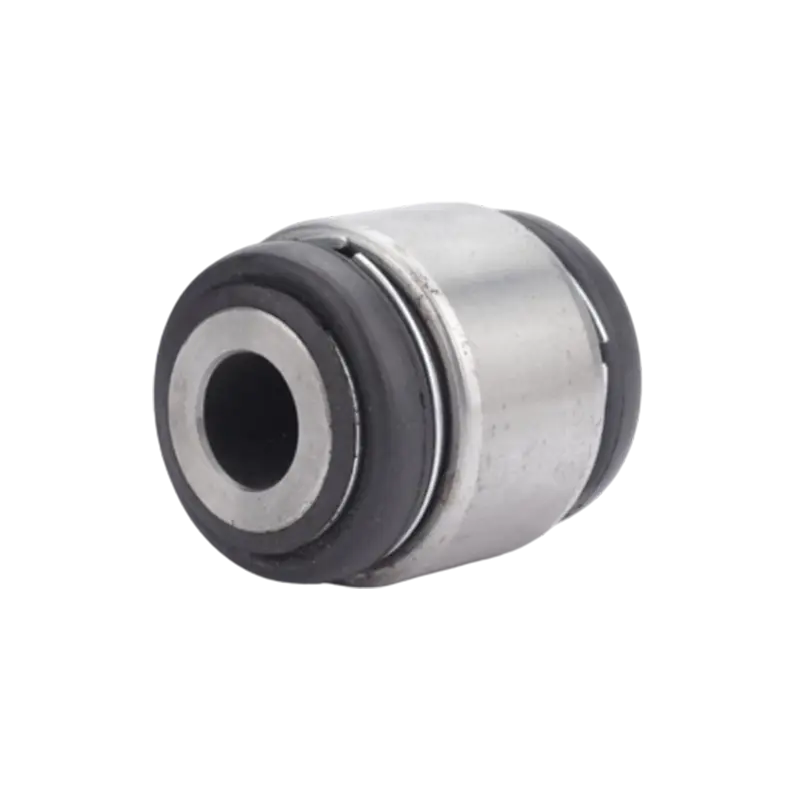
According to its usage location, it can be divided into seven categories: engine series, drive device, control device, front and rear suspension, vehicle body, exhaust system, and other systems. Its m...
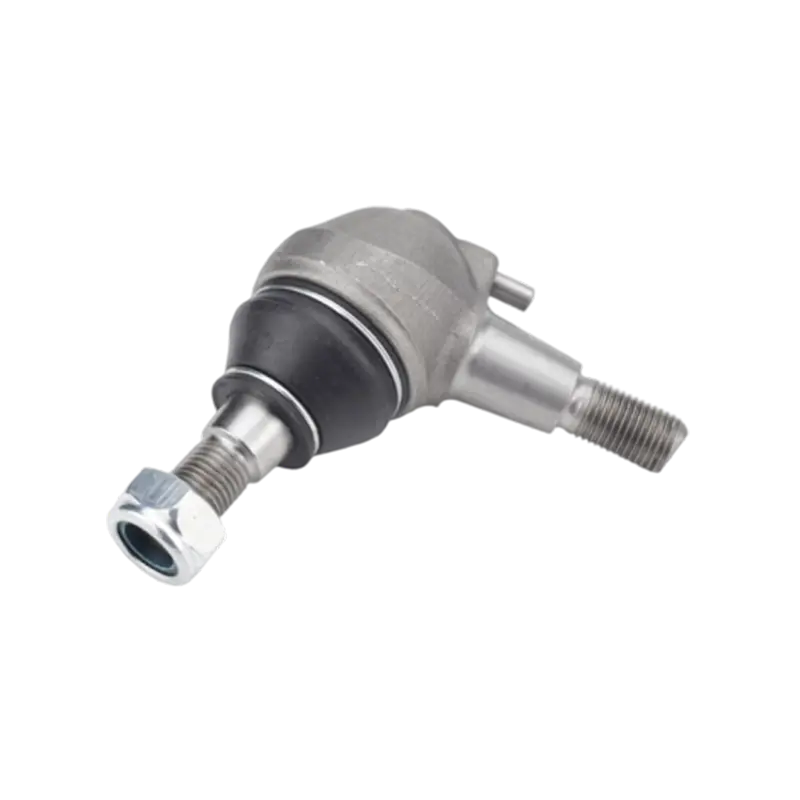
The BMW chassis system consists of three main parts: lateral (steering), longitudinal (braking), and vertical (suspension), which are coordinated and controlled by the SAM module. At the same time, th...
Copyright © ANHUI LIANJUN RUBBER TECHNOLOGY CO., LTD.
All Rights Reserved.
